Why the Cow Pattern Typeface is a Standout Choice for Bold Brands
If you've ever tried to design for a project that needs a rustic, playful, or farm-inspired aesthetic, you know the struggle. You want something that feels authentic and fun, but most standard fonts end up looking either too generic or too cartoonish. The search for a typeface that captures that specific, charming countryside vibe without sacrificing professionalism can be surprisingly difficult. This is where a specialized design asset like the Cow Pattern font comes into the picture, offering a solution that is as visually unique as it is practical for a specific niche of creative work.
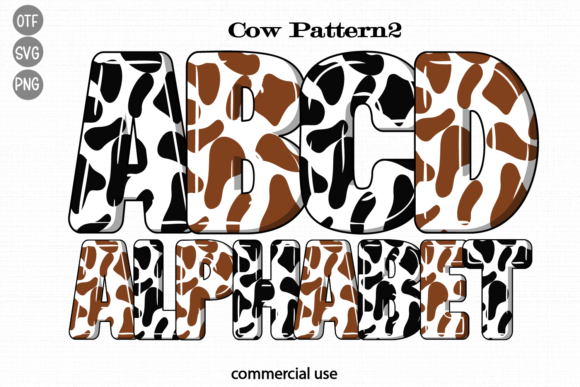
At its core, this is a display font that draws direct inspiration from the natural, irregular patches of a cow's hide. It's not just a standard letterform with a texture applied; the very shape and flow of each character are designed to mimic that organic, spotted pattern. This gives it an immediate personality that other premium fonts struggle to achieve. It’s a typeface that doesn’t just spell out words; it tells a story and sets a mood before the reader even processes the meaning of the text. For designers and creators, this kind of built-in character is invaluable, saving time and creative energy when a project calls for a very particular feel.
More Than Just a Novelty: Real-World Applications
While its aesthetic is bold, the practical uses for this creative font extend far beyond a child's birthday party invitation. Think about the visual needs of a modern farm-to-table restaurant, a local dairy brand, a countryside retreat, or even a trendy agricultural festival. In these contexts, a standard sans serif font might feel cold and out of place, while a generic script font could lack the necessary impact. The Cow Pattern typeface bridges that gap, offering a professional yet approachable look that can anchor an entire visual identity.
Its strength lies in applications where visual consistency and instant recognition are key. For logo design, it creates a mark that is impossible to forget. On packaging design, it immediately communicates the product's ethos—whether it's artisan cheese, organic milk, or beef jerky. For social media graphics, it stops the scroll with its unconventional look, making it perfect for farmers' market promotions, agricultural blogs, or foodie influencers. It can bring a unique flair to posters for county fairs, livestock shows, or farm-to-fork dinners, and it has a place in editorial design for magazines or books focused on rural living, sustainable agriculture, or even whimsical children's stories.
Making It Work: Pairing and Professionalism
Using a highly stylized display font like this effectively requires some strategy. The goal is to let its personality shine without overwhelming the viewer or compromising readability. This is where thoughtful font pairing becomes your most important tool. You would almost never use Cow Pattern for long paragraphs of body text. Instead, pair it with a clean, highly legible serif font or a simple modern typography sans serif. For example, use the Cow Pattern typeface for a headline or a logo, and then set your supporting text in a font like Lato, Open Sans, or a classic serif. This contrast allows the specialty font to be the star while the companion font ensures your message is clear and professional.
Before committing, it's wise to test how the font looks in context. View it at the size you intend to use it. Check how the letterforms interact with your chosen color palette and background imagery. A font like this often works best with a solid, contrasting background that lets its unique texture pop. Also, consider the emotional tone. While perfect for rustic themes, it might not be the right fit for a corporate law firm or a tech startup. The key is matching the typography to the project's goals and audience expectations.
Understanding the Technical Side
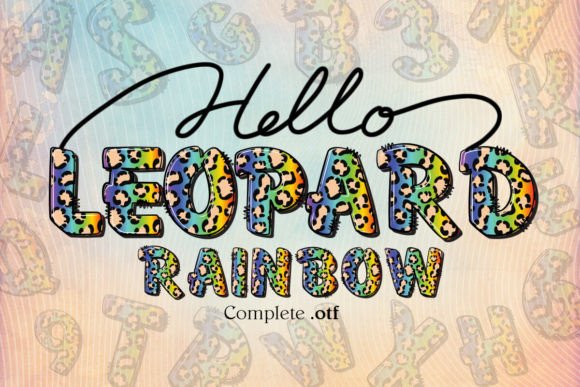
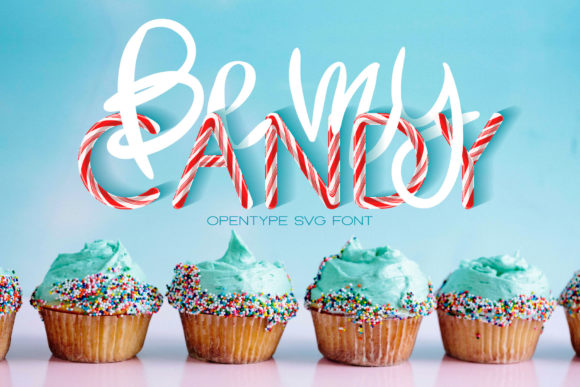
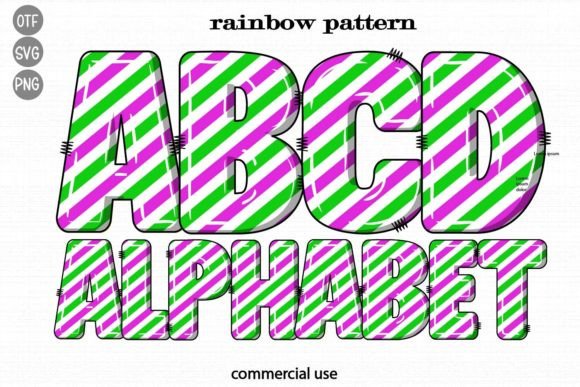
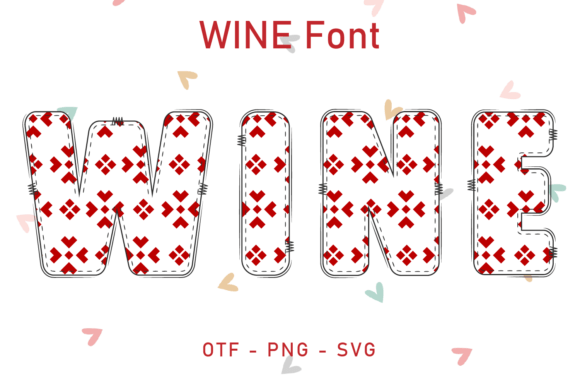
This particular typeface is a color font, specifically an OpenType-SVG format. This is a crucial technical detail for any designer. Unlike traditional fonts that are single-color vector outlines, a color font can contain multiple colors, gradients, and even textures within the glyph itself. This is what allows the Cow Pattern font to have its realistic, textured appearance right out of the box. It's a powerful design asset that simplifies achieving a complex look.
Compatibility is key here. This format works seamlessly in modern versions of Adobe Photoshop and Illustrator, as well as in open-source programs like Inkscape and Silhouette Studio. However, it's important to note that the standard OTF or TTF files included are not compatible with certain cutting machines like Cricut for direct text input. For crafters and makers using these tools, you would need to convert the text to a shape or path first in a compatible design program. Always check the specific commercial licensing terms to ensure your intended use—whether for a client project, merchandise for sale, or a personal blog—is fully covered.
In a marketplace saturated with minimalist handwritten fonts and ubiquitous geometric sans serifs, choosing a typeface with this level of distinct character is a strategic move. It’s a commercial font designed not for blending in, but for creating a memorable point of difference. For the right project, it doesn’t just add style; it builds a stronger, more cohesive brand identity