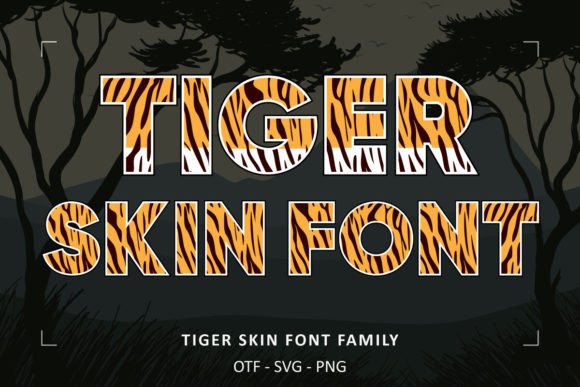
Unleashing the Wild: The Tiger Skin Font for Bold Design
There’s a primal energy to a tiger’s stripes—each pattern is unique, bold, and commands attention. Now, imagine channeling that raw, natural power directly into your typography. The Tiger Skin Font isn't just another display typeface; it's a visual statement. Crafted to mimic the distinctive, organic patterns of a tiger's coat, this color font introduces texture, depth, and an unmistakable sense of adventure to any project. For designers and creators tired of flat, predictable text, this typeface offers a chance to inject instant personality and a touch of the exotic into their work.
More Than Just Stripes: Understanding the Font's Visual Language
At its core, Tiger Skin is a premium font that blends the principles of modern typography with artistic illustration. Unlike standard serif or sans serif fonts that focus solely on letterform legibility, this display font prioritizes visual impact. Its characters are rendered with a built-in, high-fidelity texture that replicates the complex, irregular stripes of a tiger. This isn't a simple overlay; the pattern is integrated into the font's vector data, allowing it to scale crisply for everything from a small logo icon to a massive event poster.
The real strength lies in its versatility as a creative font. While the default might be a classic orange-and-black combination, many versions of this typeface include stylistic alternates or color font variations. You might find a monochrome version perfect for embossing or laser engraving, or a stylized interpretation with more geometric stripes for a contemporary feel. This adaptability makes it a powerful design asset, not just a one-trick novelty. It bridges the gap between a handwritten font's organic feel and a structured display font's readability, creating a unique category that feels both wild and intentional.
Practical Applications: Where Does This Typeface Roam Free?
The true test of any commercial font is how it performs in real-world scenarios. Tiger Skin excels in projects where you need to establish a strong, thematic identity quickly. Consider the following practical uses:
- Logo Design & Brand Identity: For businesses in the outdoor adventure, fitness, sports, or artisanal goods sectors, this font can become the cornerstone of a memorable brand identity. Imagine a brewery's logo or a wildlife conservation group's masthead—immediately, the brand's values of strength, nature, and uniqueness are communicated visually before a word is read.
- Packaging & Merchandise: On product packaging, especially for items like specialty coffee, hot sauces, or men's grooming products, the texture adds a layer of perceived quality and craftsmanship. For merchandise like t-shirts, hats, and posters, it transforms simple apparel into a standout piece.
- Editorial & Digital Layouts: In editorial design, such as magazine feature titles or book covers for adventure novels, it sets the tone dramatically. For digital creators, it makes social media graphics and YouTube thumbnails pop in a crowded feed, increasing click-through rates through sheer visual distinction.
- Event & Environmental Graphics: Think zoo exhibits, safari-themed parties, or music festival branding. The font instantly creates an immersive atmosphere, whether used on invitations, signage, or event posters.
Strategic Pairings and Readability: Using Power with Precision
A font this distinctive requires a thoughtful approach to maintain professional presentation and readability. Its power is best harnessed as a headline or accent font, not for body copy. The key to successful font pairing is balance. Pair it with a clean, neutral sans serif font for supporting text. A typeface like Montserrat, Open Sans, or Lato can provide the necessary breathing room and legibility, allowing the Tiger Skin headlines to shine without overwhelming the viewer.
When selecting a style, consider your project's goals. For a luxury safari lodge, a more refined, possibly monochrome version might convey elegance. For a children's animal-themed educational app, a brighter, more playful color version could be perfect. Always test the font in context. View it at the size it will be used and on the intended medium—what looks stunning on a computer screen might need contrast adjustments for print, and vice-versa. This testing phase is crucial for ensuring your visual consistency across all marketing assets, from web banners to printed flyers.
Beyond the Surface: Licensing and Long-Term Value
Before integrating a premium font like this into a commercial project, understanding the licensing is non-negotiable. Most reputable font foundries offer different license tiers: a desktop license for print and static images, a webfont license for websites, and sometimes an app or server license. Ensure the license you acquire covers all your intended uses, especially if you're creating merchandise for sale or using the font in a logo design that will be trademarked. This due diligence protects your investment and prevents legal headaches down the line.
Ultimately, the Tiger Skin Font is more than a novelty; it's a strategic tool for audience engagement. In a landscape saturated with generic typography, using a textured, thematic font like this demonstrates attention to detail and a bold creative vision. It helps a brand tell a richer story, makes a design more memorable, and can elevate a project from competent to captivating. Whether you're a small business owner crafting your first brand identity, a designer working on packaging design, or a content creator looking for that perfect header for your blog, this typeface offers a unique solution that is as functional as it is visually striking. It’s a chance to bring a piece of the wild, untamed world into your creative work.