Kiwi Fruit: A Fresh Slice of Summer for Your Designs
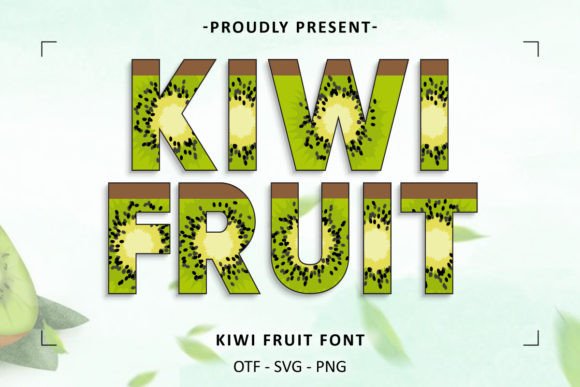
There’s something undeniably cheerful about the kiwi fruit. Slice one open, and you’re greeted with a vibrant burst of green, dotted with tiny, edible seeds, all framed by a fuzzy, earthy brown skin. It’s a perfect little package of color, texture, and refreshment. Capturing that specific feeling—the taste of summer, the casual vibe of a beach picnic, the playful energy of a sunny afternoon—is exactly what the Kiwi Fruit font sets out to do. This isn't just another display typeface; it's a design asset built around a charming, sliced kiwi motif that infuses every letter with a touch of summery freshness. If you’re working on a project that needs to feel approachable, fun, and bursting with life, this creative font might be the missing ingredient.
More Than a Font: A Visual Language of Fun
At its core, Kiwi Fruit is a premium font that uses its character forms to tell a story. Each letter is creatively designed to incorporate the iconic look of a kiwi slice, making it a standout choice for projects where visual appeal and a specific mood are paramount. Think of it as a modern typography solution for when you need to move beyond standard serif or sans serif fonts. Its personality is casual, playful, and instantly recognizable, which is a powerful tool in branding and visual communication. While a script font or handwritten font might convey elegance or personal touch, Kiwi Fruit communicates pure, unadulterated fun. This makes it a go-to creative font for anyone looking to inject energy and a sense of occasion into their work.
Where This Creative Font Truly Shines: Practical Applications
The real test of any design asset is how it performs in the real world. Kiwi Fruit excels in contexts where you want to grab attention and evoke a positive, summery emotion. Its utility spans a wide range of projects, making it a versatile addition to a designer's toolkit.
- Branding & Logo Design: For businesses in the food, beverage, lifestyle, or event planning sectors, this font can form the cornerstone of a memorable brand identity. Imagine it used for the logo of a smoothie bar, a summer festival, or a line of tropical-themed products. It instantly communicates what the brand is about.
- Packaging Design: On product labels, especially for juices, snacks, or cosmetics with a fresh, natural ingredient list, Kiwi Fruit font can make packaging jump off the shelf. It’s a direct visual cue that aligns with the product inside.
- Event & Marketing Materials: From posters for a beach party or vacation sale to digital invitations for a summer wedding, the font sets the tone immediately. It’s perfect for social media graphics, email headers, and web banners promoting seasonal events.
- Merchandise & Printables: This is where the font’s charm really translates. It’s ideal for t-shirt designs, tote bags, stickers, greeting cards, and restaurant menus for outdoor cafés. Its casual touch makes it perfect for any merchandise that aims to be fun and approachable.
- Editorial & Digital Content: Use it for blog post titles related to travel, recipes, or summer activities. In editorial layouts, it can create striking pull quotes or section headers. For digital products like e-books or online course materials on creative topics, it adds a unique, engaging visual element.
Smart Typography: Using Kiwi Fruit Effectively
Introducing a decorative font like Kiwi Fruit into a project requires a bit of strategy to ensure it enhances rather than overwhelms. The goal is to leverage its unique style while maintaining clarity and professionalism. Here’s how to approach it:
Purpose-Driven Pairing: This font is a star player, but it needs a supporting cast. It works best when paired with a clean, neutral typeface. A simple sans serif font for body copy or a classic serif font for longer text blocks will provide the necessary contrast and ensure readability. The key is to let Kiwi Fruit handle the headlines, logos, and call-to-action elements where its personality can shine without causing visual fatigue.
Readability is Key: As a display font, its strength is in short bursts. It’s not designed for paragraphs of text. Use it for headlines, subheadings, titles, and single-word call-outs. Always test your designs at the intended size and on the intended medium—what looks great on a poster might be hard to read on a small mobile screen. Consider the background color and texture as well; a busy background can compete with the intricate kiwi motif.
Explore the Styles: A quality font package often includes more than one style. Check if the Kiwi Fruit font includes variations like a bold weight, an outline version, or even a set of decorative glyphs and symbols. These additional assets can expand your creative options, allowing for more dynamic compositions and layered designs.
Licensing for Commercial Use: If you’re using the font for client work, merchandise for sale, or any commercial project, it’s non-negotiable to verify the licensing. Ensure the font license covers your intended use case. Reputable font marketplaces and foundries will provide clear information on whether the font is available for personal use only or requires a commercial license. This is a critical step in professional design work.
Crafting a Cohesive Brand Experience
When you integrate a font with as much character as Kiwi Fruit into your brand identity, you’re making a deliberate choice about how you want to be perceived. This typeface can help improve visual consistency across all your touchpoints. When a customer sees your logo, your social media post, and your product packaging all using the same distinctive font, it builds powerful brand recognition. They start to associate that playful, fresh aesthetic with your business.
Moreover, it boosts audience engagement. A design that feels fun and inviting is more likely to stop someone from scrolling, encourage them to pick up a product, or make them smile when they open an invitation. It’s about creating an emotional connection through visual design. By carefully choosing where and how to use this font, you can craft a brand experience that feels both professionally presented and delightfully unique, ensuring your message isn’t just seen, but felt.